Basically
Done
A Southern man. A public unraveling.
A reckoning with what integrity actually costs.
A corporate engineer is stripped of his reputation by the very system he helped build — and forced to decide who he is when everything he stood for gets used against him. Set in Charlotte and the mountains of Western North Carolina.

An integrity wound.
An entire system designed to bury it.
Basically Done is a grounded, cinematic novel built from lived experience. It follows a man whose reputation is dismantled by the institution he served — and the slow, costly process of standing back up. It's the first pillar of the WebWeave & Canontown universe.
At its core, this is a story about what happens when a man's integrity is stripped away by the very system he trusted — and what it costs to stand back up in the shadow of betrayal. Place isn't backdrop here. Charlotte's glass towers and the mountains of Sugarfork function as opposing forces — each one pulling at the man caught between them.
- Integrity Under FireHolding a personal code when the world collapses around it.
- Institutional BetrayalWhen powerful systems decide your fate before you speak.
- Reputation & ShameThe emotional cost of being publicly broken.
- Family & LegacyThe generational weight of expectations, pride, and belonging.
- Appalachian GritSurvival and resilience without romanticizing hardship.
- Identity ReforgingTaking control of your own story again.
"Readers who appreciate Cormac McCarthy, Dennis Lehane, Taylor Sheridan, and James Lee Burke will recognize the gravity of Basically Done. The book stands in its own lane beside them."
Literary Positioning — WebWeave CanonSetting as Character
Charlotte — glass, pressure, ambition, performance.
Sugarfork / Western NC — memory, grounding, truth, family history.
Cedar Knob Nexus — forward horizon for future WebWeave arcs.
Story Architecture
Layered timeline pressure, cinematic pacing, subtext-heavy dialogue, and atmospheric detail that carries emotional weight. No filler scenes. No wasted motion.
Canon Integration
A full shadow canon is tracked across the WebWeave Universe. Every character appearance connects into a larger continuity — minor figures may become central later.
The roots beneath
the story.
The Lineage Arc is the historical root system under Basically Done — the ancestry, land, institutions, and quiet decisions that make the present-day story feel inevitable instead of coincidental.
The Trunk & The Roots Model
Not a book.
An ecosystem.
Basically Done is the first pillar of a connected literary universe — where every character, scene, and detail is tracked across a living continuity. The world expands outward through future novels, music, and cross-medium arcs.
The Novel
The trunk. The integrity wound that anchors the entire universe. Every canon thread begins here.
The Lineage Arc
Historical root system. Ancestry, land, and institutions that make the present-day story inevitable.
Canontown
The continuity map. Shadow canon entries, cross-novel character tracking, and long-range arc planning.
Soundtrack World
Protest songs, Appalachian cyber-psychedelic music, and audio that expands the emotional universe. Listen now →
Screen & Stage
Storylines built with long-range crossover potential. The structure exists. The world is ready.
Future Novels
Characters seeded in Basically Done will become central. The branches are already in the root system.
Charlotte
Glass, pressure, ambition, performance. The system that promises everything.
Sugarfork / Western NC
Memory, grounding, truth, family history. The place that remembers who you actually are.
Cedar Knob Nexus
Forward-looking horizon. A geographic anchor for future WebWeave stories and cross-medium projects.
Transitional Spaces
Airports, roads, offices, hospitals. The spaces between that mirror emotional states.
The music that lives
inside the story.
The WebWeave universe doesn't just have a novel — it has a sound. Protest songs, Appalachian realism, and cyber-psychedelic Americana that expand the emotional world of Basically Done into something you can hear as well as read.
YouTube Playlist
The full WebWeave soundtrack — protest songs, Appalachian realism, and the sounds of the universe. Watch, listen, and follow the story through music.
Open YouTube PlaylistWhat You're Hearing
The soundtrack is not background music. It's another layer of the universe — the same themes of betrayal, Appalachian identity, corporate collapse, and survival told through sound instead of prose.
Donald E. Pickett
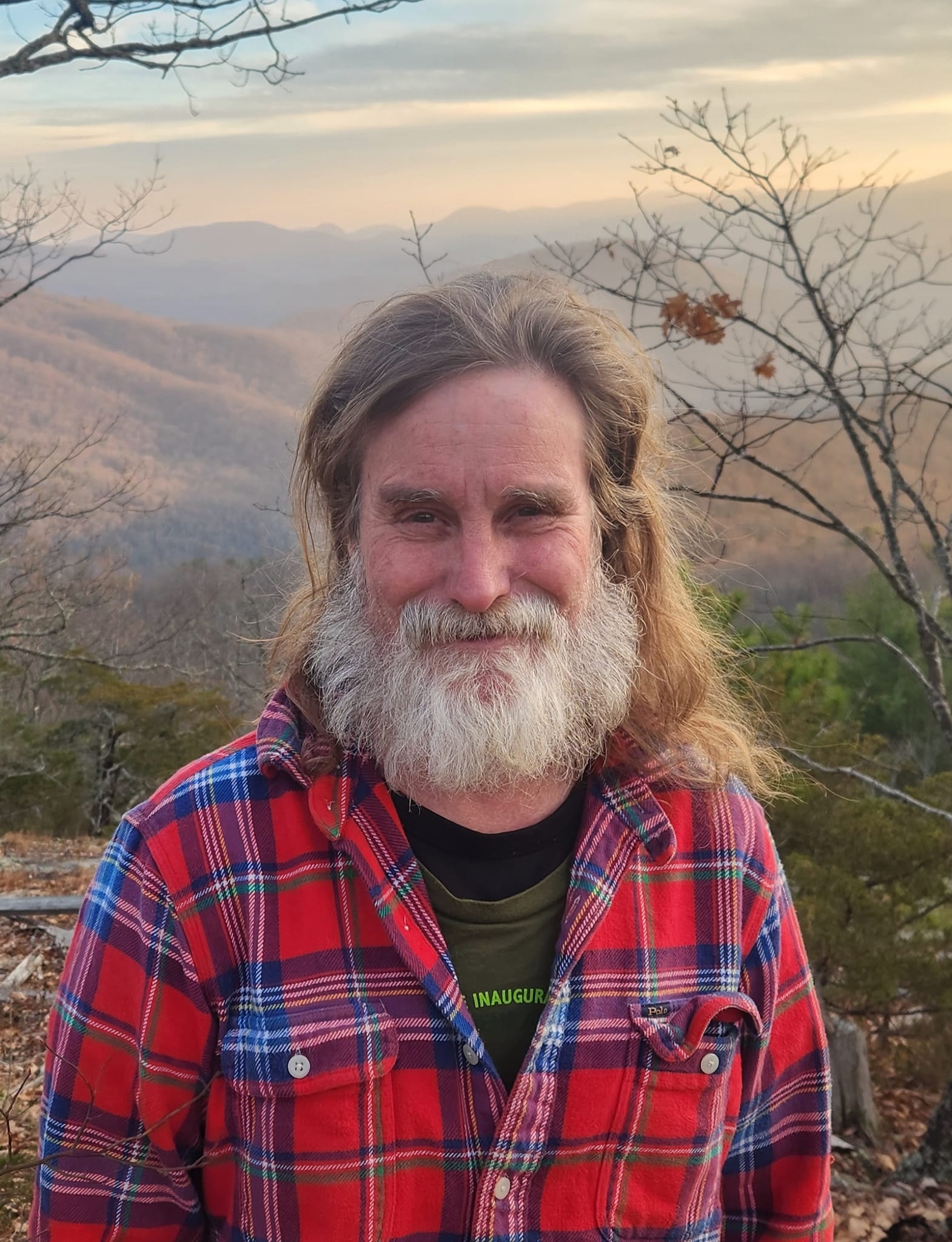
Press, rights,
and correspondence.
For media inquiries, rights and licensing, author appearances, or correspondence about the WebWeave universe — use the form or reach out directly.
What This Is For
Press & review copies · Film/TV rights inquiries · Podcast and interview requests · Bookseller and library orders · Reader correspondence

About
Basically Done hits different because it wasn’t written like a book — it was engineered like a world.
It’s a modern Appalachian-rooted epic built on multi-layer storytelling: emotional tension, moral pressure, institutional conflict, and the quiet battles people fight behind the scenes when everything they’ve built is threatened. This story operates on depth, not shortcuts. Every chapter runs on multiple levels — what’s happening, what it means, and what it sets in motion.
The tone is cinematic, the pacing is deliberate, and the emotional weight lands without ever turning melodramatic. It’s grounded, lived, and honest. This is the kind of book that respects the reader’s intelligence and doesn’t spoon-feed anything.
At its core, Basically Done is a novel about integrity — what happens to a man when his good name is stripped away, and what it takes to rise when the systems around him fail. No superheroes. No chosen-one arcs. Just real people under real pressure in the real South.
It’s the first major pillar of a much larger canon — the WebWeave Universe and the Canontown continuity — where characters echo, cross paths, disappear, and return across multiple stories. Nothing in this world is random. Everyone has a place. Everyone has a trajectory.
This book stands in the lineage of authors who tell hard truth with atmospheric weight:
McCarthy’s silence, Lehane’s psychology, Burke’s landscapes, Sheridan’s grit, King’s small-town realism, and Grisham’s systemic tension — not imitated, but respected.
Basically Done isn’t a story you read once.
It’s a world you walk into.
A world with memory, scars, and consequence.
A world built to last.